
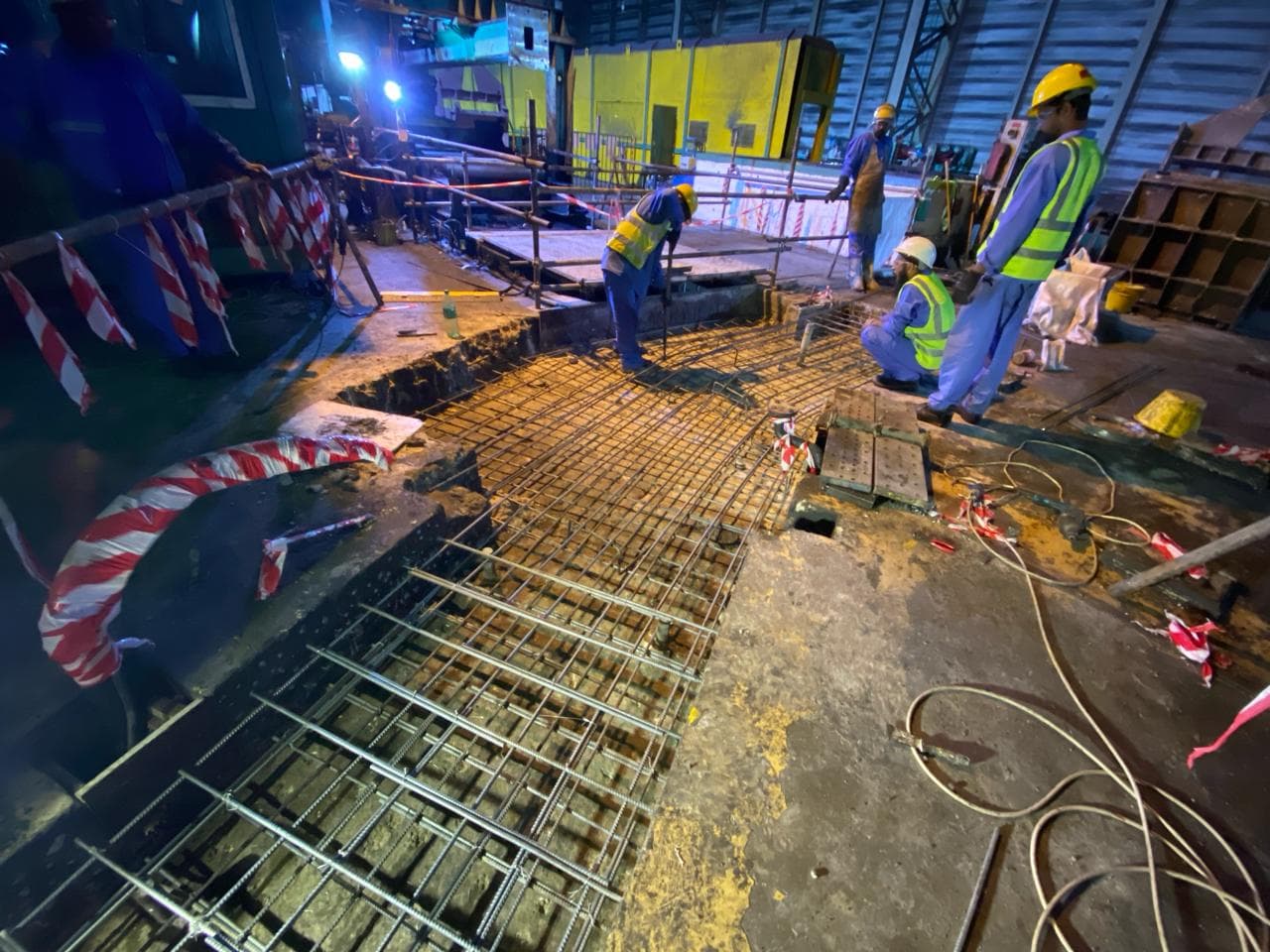
What happens when the available outage window shortens after scope is agreed — and how pre-planned workfront management determines whether delivery holds.
A compressed outage window is one of the most common challenges in industrial shutdown contracting. The plant schedule changes, the client needs early production restart, and the contractor is asked to deliver the same scope in less time.
The difference between projects that hold schedule and those that don't is almost always decided before the shutdown begins — in how thoroughly the pre-shutdown planning was done.
What pre-planning actually covers
Effective pre-shutdown planning is not just a programme on paper. It involves scope freeze with no late additions, material and equipment staged to point of use, workfront assignments agreed with no gaps or overlaps between disciplines, and permit-to-work sequences pre-planned with the client's operations team.
When a window compresses, a well-planned workfront can absorb the reduction. An unplanned one cannot.
What we have learned from live shutdowns
The most productive outages ELGC has delivered were those where the first shift started with every operative knowing exactly where to go, what to do and what the constraints were. The least productive were those where that clarity came on day two or three.
Pre-shutdown planning is not overhead — it is how the window is protected.